Book
Do Androids Dream of Electric Sheep?
★★★★☆
August 18, 2026 · by Colin Merritt
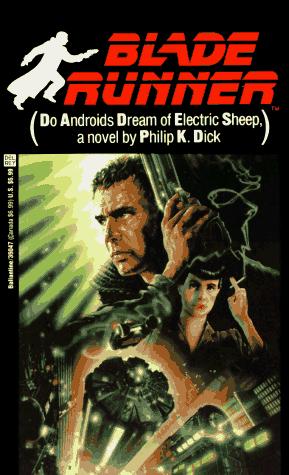
I watched Blade Runner first, like most people probably did, and I want to get the comparison out of the way early because it’s impossible not to make one. The movie is a masterpiece of atmosphere, rain and neon and Vangelis, and it strips out most of what the book is actually preoccupied with to get there. The novel isn’t really about whether Deckard is secretly a replicant, that’s barely a question here. It’s about status anxiety over owning a real animal in a world that’s killed off almost all of them, and about what empathy even means once you can fake it convincingly enough on a machine.
That sheep obsession sounds almost comic described flatly, but it’s doing real thematic work. Owning a real animal instead of an electric one is the entire currency of decency in this book’s world, the marker that separates someone who cares from someone performing care, and Deckard’s own electric sheep sitting on his roof, a fake he’s ashamed of and can’t afford to replace, is a better character detail than most of what made it into the film.
Where the book pulls ahead of its adaptation for me is Mercerism, the empathy-box religion that ties the whole society together through a shared, semi-fictional suffering figure. It’s genuinely strange and doesn’t get explained tidily, and I liked that Dick trusted the reader to sit in that confusion rather than resolving it.
It’s a short, dense read, more melancholy than thrilling, and there’s a real chance you’ll finish it slightly disoriented about what you just read. I mean that as praise. The movie is excellent and does its own thing well. The book is doing something stranger and sadder, and I’m glad I eventually went back for it instead of assuming the film covered everything worth covering.